وكيل مشتريات لا ينام، ولا يسأل مرتين، ولا يراجع نفسه في طلب إعادة توريد: لم يعد هذا تجربة ذهنية. صار قناة دفع تعمل بالفعل. ففي 2026 أطلقت Visa وMastercard وGoogle وOpenAI بروتوكولات تتيح لوكيل ذكاء اصطناعي إتمام معاملة نيابة عن شخص أو شركة، دون أن يضغط إنسان على زر "تأكيد". هذا التحول اسمه التجارة الوكيلة (agentic commerce)، وهو يتحرك أسرع مما لدى معظم فرق المشتريات والمالية من سياسات تحكمه.
ما هي التجارة الوكيلة فعلاً
التجارة الوكيلة هي أي عملية شراء يبدأها وينهيها وكيل ذكاء اصطناعي لا إنسان: يختار المورد، ويؤكد السعر، ويصرّح بالدفع داخل مسار آلي واحد. وهي تختلف عن حقبة "مساعد التسوق الذكي" في مطلع عقد 2020، حين كان بوت المحادثة يقترح منتجاً بينما يتولى الإنسان إتمام الشراء. في النموذج الحالي يحمل الوكيل صلاحية إنفاق مفوَّضة، خاضعة لسقوف وقواعد إلغاء تُحدَّد مسبقاً.
تتوقع Juniper Research أن تنمو القيمة العالمية لمعاملات التجارة الوكيلة من 8 مليارات دولار في 2026 إلى 3.5 تريليون دولار بحلول 2031، مع ارتفاع عدد المستخدمين النشطين من أقل من 300 مليون إلى 1.3 مليار في الفترة نفسها. وتتصدر قنوات البطاقات المشهد اليوم لأن بنية الـ tokenization المؤمِّنة لها قائمة بالفعل، بينما ما زال دعم المحافظ الرقمية والتحويلات المباشرة بين الحسابات يلحق بالركب.
قنوات الدفع الجديدة التي تقف خلف ذلك
أربع خطوات في البنية التحتية تفسر معظم زخم هذا العام:
- Visa Trusted Agent Protocol، المعلن في بيان Visa الصحفي في أكتوبر 2025 والممتد عبر Visa Intelligent Commerce Connect في أبريل 2026، يمنح التجار وسيلة للتمييز بين وكيل شراء مشروع وبوت خبيث، ويصدر tokens تشفيرية للوكيل بسقوف إنفاق يحددها المستخدم.
- Mastercard Agent Pay، ومعه طبقة "نية قابلة للتحقق"، يركز على التحقق من هوية الوكيل نفسه وتأكيد أن المعاملة تطابق ما صرّح به المستخدم فعلاً، مع عمليات تشغيل مبكرة في آسيا والمحيط الهادئ.
- Agent Payments Protocol (AP2) من Google معيار مفتوح عابر للشبكات، يتيح للوكيل اكتشاف التاجر وإتمام الشراء أياً كانت شبكة الدفع خلفه.
- Instant Checkout من OpenAI، المبني على Stripe، أطلق الشراء المباشر داخل المحادثة ثم تحول نحو اكتشاف بمساعدة الوكيل يمر عبر واجهات الـ API الخاصة بالتجار.
وهكذا تبدو المقارنة بين الأرقام الرئيسية، استناداً إلى بيانات Juniper Research أعلاه:
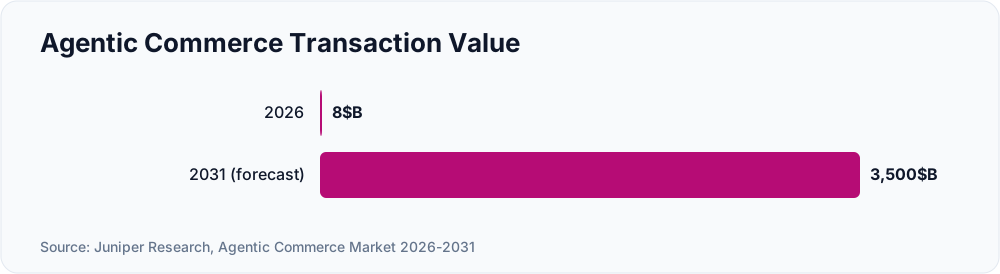
| السنة | قيمة معاملات التجارة الوكيلة |
|---|---|
| 2026 | 8 مليارات دولار |
| 2031 (توقع) | 3,500 مليار دولار |
المصدر: Juniper Research, Agentic Commerce Market 2026-2031.
لماذا يهم ذلك مشتريات الشركات الصغيرة والمتوسطة، لا تسوق الأفراد فقط
قصة المستهلك، أي وكيل يعيد طلب البقالة، هي التي تتصدر العناوين، لكن الحالة الأهم للأعمال هي المشتريات: وكيل ذكاء اصطناعي داخل نظام الـ ERP أو داخل سير عمل الشراء، يعيد طلب المواد الخام، أو يجدد اشتراك SaaS، أو يحجز خدمة من مورد عند بلوغ حد معين. هذا امتداد طبيعي للأتمتة التي تشغلها الشركات الصغيرة والمتوسطة عبر أنظمتها، لكنه ينقل قرار دفع حقيقياً إلى خارج خطوة الموافقة البشرية. وإذا سبق لفريقك أن شدّد مسار اعتماد الموردين بعد تنفيذ نظام ERP، فالتجارة الوكيلة هي مشكلة الحوكمة نفسها، مطبقة على معاملات بطاقة فورية بدل أوامر الشراء.
المخاطر التي لم يحلها أحد بالكامل بعد
لا يقدم أي من بروتوكولات 2026 إجابة ناضجة عن هذه الأسئلة:
- المسؤولية. إذا اشترى الوكيل كمية خاطئة، أو صنفاً خاطئاً، أو من مورد خاطئ، فمن يتحمل التكلفة؟ سقوف الإنفاق وحق الإلغاء موجودان، لكن مسارات الاعتراض والاسترداد للمعاملات التي يبدأها وكيل ما زالت قيد البناء، بروتوكولاً بعد آخر.
- الهوية والاحتيال. وكيل يعمل تحت هوية مخترقة أو منتحَلة يفتح سطح احتيال جديداً بالكامل. وهذا هو صنف الإخفاق نفسه الذي تناولناه في مقال أمن وكلاء الذكاء الاصطناعي وحقن التعليمات: الوكيل الذي يمكن التلاعب به لتنفيذ إجراء غير مقصود يصبح أكثر كلفة بكثير حين يكون ذلك الإجراء عملية دفع.
- مشتريات الظل. الفريق الذي يتبنى أداة شراء تعمل بوكيل دون موافقة تقنية المعلومات أو المالية يخلق النقطة العمياء نفسها الموثقة في مقالنا عن حوكمة الذكاء الاصطناعي الخفي، باستثناء أن النشاط غير المراقب صار يمس بطاقة الشركة.
- الارتباط بمزود واحد. الالتزام مبكراً بنموذج هوية ونزاعات خاص بشبكة واحدة قد يكلف كثيراً عند التراجع عنه بعد أن يستقر معيار منافس في السوق.
ما ينبغي فعله قبل أن تعطي وكيلاً رقم بطاقة
- حدد سقوف الإنفاق ومستويات الموافقة قبل التشغيل، لا بعد أول تجاوز. كل البروتوكولات أعلاه تدعم السقوف، فاجعلها الوضع الافتراضي لا الاستثناء.
- مرر مشتريات الوكيل عبر سلسلة الموافقة نفسها التي تمر بها مشتريات البشر، مسجلة في نظام الـ ERP أو نظام المشتريات لديك، حتى تكون معاملة الوكيل قابلة للتدقيق تماماً كأمر الشراء.
- عيّن مسؤولاً بالاسم. تعامل مع الشراء بالوكيل كما تتعامل مع وسيلة دفع جديدة: شخص واحد مسؤول يعتمد الموردين والفئات التي يُسمح للوكيل بالتعامل معها.
- جرّب على فئة منخفضة المخاطر أولاً، مثل المستهلكات المتكررة منخفضة القيمة، قبل توسيع صلاحية إنفاق الوكيل إلى أي شيء بحجم عقد.
التجارة الوكيلة ليست سبباً لإبطاء الأتمتة. إنها سبب للتأكد من أن الحوكمة في نهجك للتحول الرقمي تغطي صلاحية الدفع بالعناية نفسها التي تغطي بها الوصول إلى البيانات. وإذا كانت شركتك تزن موقع وكلاء الذكاء الاصطناعي في مسارات المشتريات والمالية دون أن تفقد السيطرة على أمر الشراء، تحدث إلى ThinqHub عن بناء ذلك من البداية.