أغلى ما تستطيع شركة صغيرة أن تفعله تجاه الذكاء الاصطناعي الخفي هو أن تكتب مذكرة المنع. صياغتها لا تكلّف شيئاً، وتشعرك بأنك تسيطر. وما تحصل عليه مقابلها استطلاع داخلي لا يعترف فيه أحد باستخدام الذكاء الاصطناعي، وهي النتيجة الواحدة التي لا تستطيع التحرك على أساسها.
الناس لم يتبنّوا هذه الأدوات ليتحدّوك، بل تبنّوها لأن العمل صار أسرع، والمذكرة لا تعيده بطيئاً. امنع الأدوات، ويبقى العمل مطلوباً، فينتقل الاستخدام إلى الهواتف الشخصية وحواسيب المنزل، حيث لا ترى منه شيئاً. وتكون قد استبدلت مشكلة تقدر على قياسها بأخرى لا تقدر. بعد المنع، المخاطرة كما هي، والرؤية ذهبت.
وردّ الفعل مفهوم، لأن الخوف يصل معلّباً. يدفع المعلنون 42.17 دولار مقابل نقرة واحدة على مصطلح البحث shadow ai. هذا متوسط تكلفة النقرة في بيانات Google Ads الأمريكية، المسحوبة عبر DataForSEO في أكتوبر 2026، عند حجم بحث يقارب 3,600 شهرياً. ضعه إلى جانب small language models: نحو 2,900 بحث شهرياً بتكلفة 1.64 دولار. الجمهوران متقاربان في الحجم، وسعر الزائر الواحد يختلف بنحو خمسة وعشرين ضعفاً. لا أحد يخاف من النماذج اللغوية الصغيرة، فلا أحد يزايد على من يبحث عنها. قرّر أحدهم أن الشخص الذي يكتب هذين اللفظين يستحق أكثر من أربعين دولاراً، وأرجح المزايدين بائعو برمجيات الأمن والكشف. (القياس يخبرنا بالسعر، لا بمن يدفعه.) والمصطلح يصعد كذلك، من 2,400 بحث شهرياً في سبتمبر 2025 إلى 3,600. فإن كنت تدير شركة صغيرة أو متوسطة، فأنت هدف سوق انتبه إلى أن القلق قابل للتسعير.
وهذا لا يجعل المشكلة مختلقة، لكنه يعني أن الإحصاءات الموجَّهة إليك تستحق قراءة متأنية. والذكاء الاصطناعي الخفي (shadow AI) هو استخدام أدوات ذكاء اصطناعي أو نماذج أو إضافات متصفح لم تمرّ على مراجعة إدارة تقنية المعلومات، والأرقام المتداولة لافتة. وجد تقرير مخاطر الذكاء الاصطناعي لمديري أمن المعلومات لعام 2026، بحسب عرض Sennovate له، أن 75% من 235 قائد أمن شملهم الاستطلاع رصدوا ذكاءً اصطناعياً خفياً في بيئاتهم. ويقول تقرير Reco عن حالة الذكاء الاصطناعي الخفي لعام 2025، المقتبس في الورقة البيضاء لـ Cloud Security Alliance لعام 2026، إن 91% من أدوات الذكاء الاصطناعي في بيئات المؤسسات تعمل خارج سيطرة إدارة تقنية المعلومات، بمعدل 269 تطبيقاً خفياً لكل 1,000 موظف.
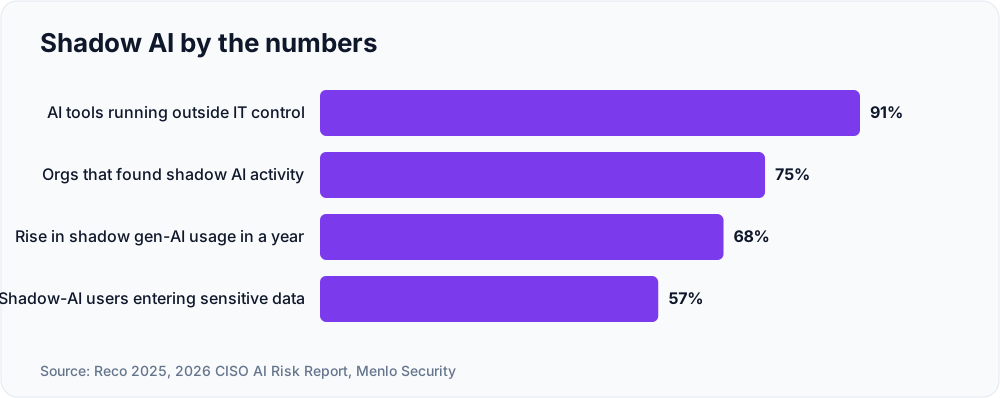
وانظر إلى من أجرى القياس. تبيع Reco برمجيات أمن لتطبيقات SaaS والذكاء الاصطناعي. وتبيع Menlo Security، مصدر نسبة الارتفاع 68% في استخدام الذكاء الاصطناعي التوليدي الخفي ونسبة 57% لمن أدخلوا بيانات حساسة، أمن المتصفح. قد تكون أرقامهم سليمة. وهي في الوقت نفسه الأرقام التي تساعد في بيع المنتج، وهي تصف مؤسسات كبرى لا شركة فيها أربعون موظفاً ومسؤول تقنية بدوام جزئي. ورقم 269 تطبيقاً غير معتمد لكل 1,000 موظف لا يقول لشركة متوسطة شيئاً عن تعرّضها هي. والمرجع المستقل هنا تقرير IBM لعام 2025 عن كلفة اختراق البيانات، الذي تستشهد به ورقة Cloud Security Alliance: واحدة من كل خمس مؤسسات تعرّضت لاختراق تداخل فيه ذكاء اصطناعي خفي، وكلّفت تلك الاختراقات 670,000 دولار إضافية في المتوسط. وهذا متوسط لشركات كبيرة أيضاً، لكن الاختراق اختراق، والكلفة تشير إلى الآلية الحقيقية.
والآلية في اللصق لا في الأداة. عبّر Andrew Walls، المحلل في Gartner، عن ذلك بوضوح في تصريحات نقلتها Sennovate: "ما يقلقهم ليس الذكاء الاصطناعي في هذه الظاهرة، بل البيانات التي يسلّمها الموظف إلى أداة ذكاء اصطناعي." فالعقد الذي يُلصق في روبوت محادثة عام يخرج من سيطرتك. وأما حفظه أو مراجعته أو استخدامه في التدريب فيتوقف على شروط لم يقرأها أحد في فريقك، وبخلاف اشتراك SaaS غير معتمد، لا تستطيع استرجاعه بعد خروجه. وأدوات الأمن لديك لن ترفع أي إشارة: جلسة موظف مسجّل الدخول على موقع ذكاء اصطناعي مشروع لا تُحرّك أي إنذار. والمنع الموجّه إلى الأدوات يفوته الشيء الذي يتحرك فعلاً.
فاترك منصات الاكتشاف المؤسسية، واسأل موظفيك. أخبرهم أن ما يُبلّغ عنه لن يترتّب عليه أي إجراء، ثم اسأل عن الأدوات التي يستخدمونها ولماذا. صفحة من إجابات صادقة تتجاوز مشروع تحليل حركة شبكة، لأن الإجابات تحمل السبب، والسبب هو الجزء المفيد.
والتنظيم يتحرك في الاتجاه نفسه. تتعامل أطر مثل ISO/IEC 42001 وإطار NIST لإدارة مخاطر الذكاء الاصطناعي مع معرفة ما تشغّله كنقطة البداية، وفق تحليل Cloud Security Alliance، وتقرأ التعليقات على قانون الذكاء الاصطناعي الأوروبي جرد أنظمة الذكاء الاصطناعي المستخدمة القراءة نفسها. أما تحديد الالتزامات التي تنطبق على شركتك بموجب قانون الذكاء الاصطناعي الأوروبي (اللائحة (EU) 2024/1689) أو اللائحة العامة لحماية البيانات (GDPR)، فلسنا من يحدده هنا؛ راجع في ذلك محامياً مؤهلاً. وإن كنت تخدم عملاء في الاتحاد الأوروبي، فتوقّع أن يصل السؤال في استبيان مورّدين على أي حال. والجرد يفيدك في الحالتين.
ثم رتّب الأمر بالبيانات لا بالأدوات. لصق نص تسويقي منشور في روبوت محادثة لا بأس به، أما لصق سجلات عملاء أو عقود أو كشوف رواتب فلا. اكتب القائمة القصيرة للبيانات التي لا تخرج أبداً، وأعطِ الناس هذه القاعدة بدلاً من قائمة تطبيقات ممنوعة.
والخطوة التي تتخطّاها معظم الشركات هي التي تحدد هل سينجح ما سبق: قدّم بديلاً لا يقلّ جودة. فإذا كان الخيار المعتمد أبطأ من روبوت المحادثة المجاني، عاد الناس إليه قبل نهاية الأسبوع. والأداة المعتمدة يجب أن تكون موصولة بالبيانات التي يحتاجها الناس فعلاً، وبضوابط وصول عليها، وهذا عمل أنظمة. فمساعد موصول ببيانات Odoo أو ERPNext لديك وبالصلاحيات نفسها التي يملكها الموظف سيتغلّب على تبويب متصفح، ويُبقي البيانات في مكان تحكمه. وهو نوع البناء الذي تغطيه خدمات ERP وخدمات الذكاء الاصطناعي عندنا، وأي القرارات يستحق أن يُسلَّم إليه مرتَّب في الذكاء الاصطناعي في Odoo: أين يحسّن القرارات.
ThinqHub شركة تنفيذ، ولا تبيع أداة لكشف الذكاء الاصطناعي الخفي، فلا مصلحة لنا في إخافتك. ونرى أن أرخص ضابط حوكمة متاح لشركة صغيرة أداة معتمدة جيدة ومحادثة صادقة، بهذا الترتيب، والكشف يأتي في مرتبة متأخرة. وإن أردت مساعدة في تحديد ما تحتاجه فرقك وبنائه داخل نظام محكوم، فابدأ من نهجنا.
المصادر:
- Sennovate، "Shadow AI in 2026"، نقلاً عن تقرير مخاطر الذكاء الاصطناعي لمديري أمن المعلومات لعام 2026 (استطلاع شمل 235 من قادة الأمن): sennovate.com/blog/shadow-ai-in-2026
- Cloud Security Alliance، "The Invisible Enterprise: Shadow AI and the Ungoverned Frontier"، أبريل 2026، نقلاً عن تقرير Reco عن حالة الذكاء الاصطناعي الخفي لعام 2025، وتقرير IBM لعام 2025 عن كلفة اختراق البيانات، وتحليل Menlo Security للمؤسسات لعام 2025: labs.cloudsecurityalliance.org
- حجم البحث وتكلفة النقرة: بيانات Google Ads عبر DataForSEO، الولايات المتحدة، باللغة الإنجليزية، قياس أكتوبر 2026.